


'Pass the Sauce': Community Meal
Spill the tea... Dish the dirt... Pass the Sauce!

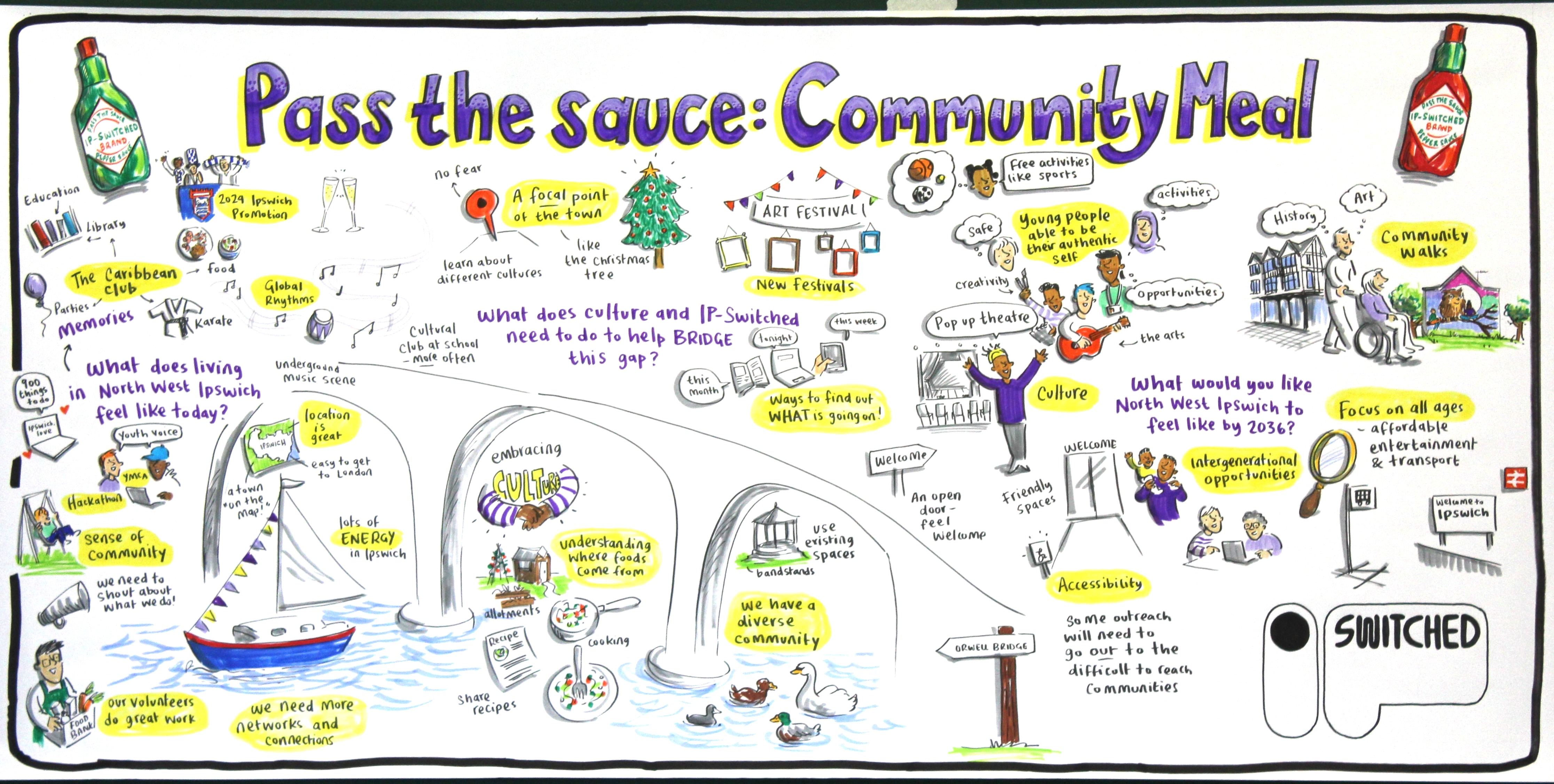
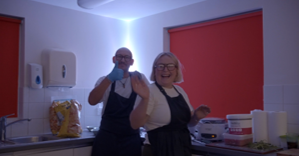
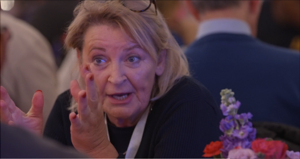
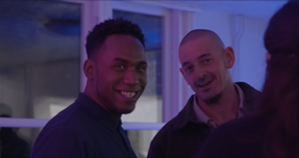
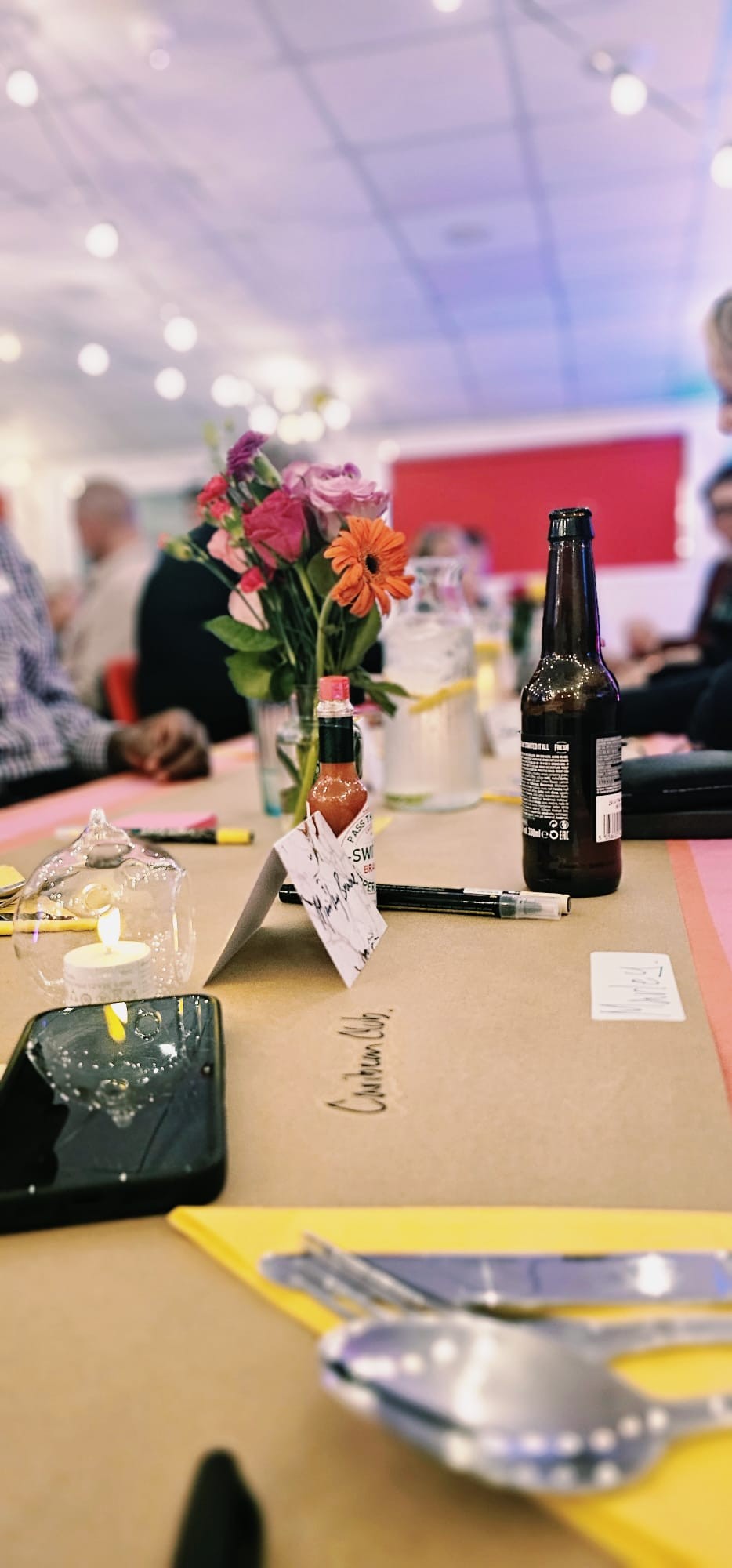
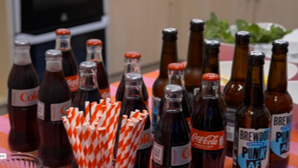
On 28 October, the IP-Switched team dished up a community meal at Castle Hill Community Centre to meet our neighbours in North West Ipswich, chat about community ambitions for the future, and how culture might help get us there. We spoke about everything from cycle paths to music festivals, and front gardens to karate.
IP-Switched’s creative programme will be designed with and by our local neighbourhoods, so we thought we’d get started by saying hello, inviting people for a meal, and chatting about how we might get started.
To start with, we want to say a huge thank you to the manager at Castle Hill Community Centre, Isaac. We asked Isaac if he could help invite people to our community meal so we could meet our new neighbours. Isaac was brilliant and we had a room full of 43 North West Ipswich locals who were bursting with creativity, ideas, and ambition for their home town.
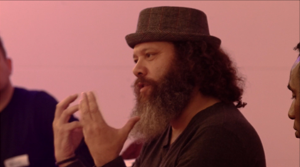
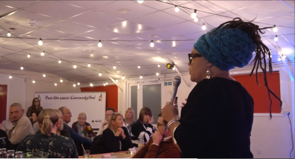
We asked Tonia, a well-known local activist and facilitator, to host the conversation that took place across our community meal. To kick off conversations, Tonia asked people to share their best memories of Ipswich and people shared stories about community mindedness (shown via services like the food bank), Ipswich Town Football Club matches and promotions, and nights out at Hollywood’s. People spoke fondly of growing up in Ipswich – visiting Billy Smart’s Circus, summers at Broomhill swimming pool, and running around in the parks. People spoke about great local events that brought people together, like the Multicultural Festival, Global Rhythms and Caribbean Club events.
Conversation moved on, and we shared our ambitions for what we’d like Ipswich to be like in 2036 and what IP-Switched can do to help make change happen. Our dining companions blew us away with their ambitions for their community – we covered everything from building community gardens on unloved land to after school clubs.
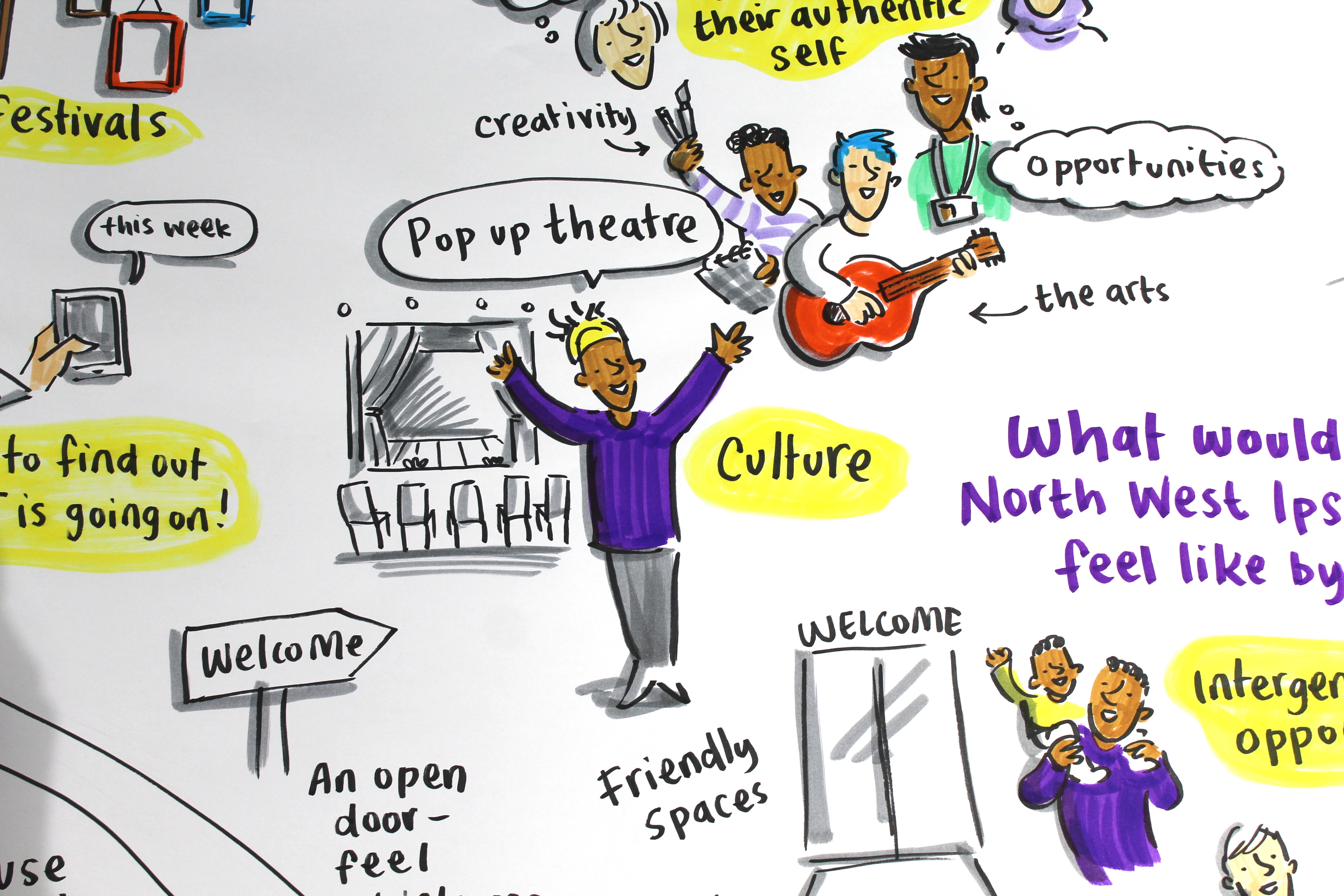
Feedback broadly fell into four key areas, which Elle has edited for this case study to just show suggestions relevant to IP-Switched, i.e. cultural opportunities and development. It’s worth noting that there were lots of other suggestions that were around more sports facilities, better public transport, and wanting to feel safer in communal spaces like parks.
Key areas of feedback
Activities and Events
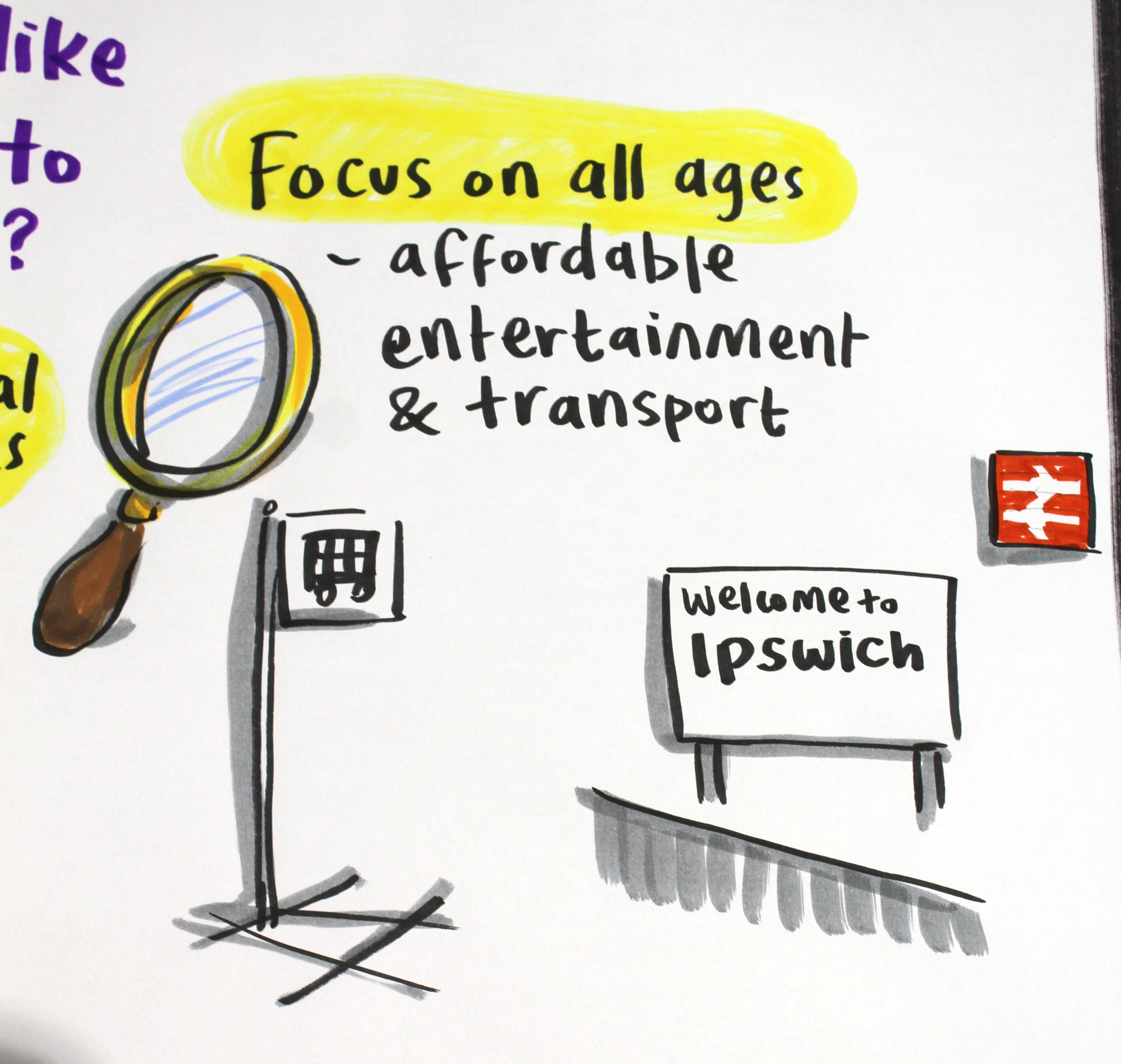
- Activities that bring people together, particularly low cost/free evening and after school events for all ages.
- Music events of all sizes and for different ages, for example singing clubs, music festivals, instrument lessons.
- After school clubs to support children and young people’s wellbeing, e.g. arts clubs with time to talk about things that young people are finding challenging.
- Intergenerational creative workshops and events, e.g. dancing and music events like Global Rhythms.
- Events that take place on local streets so people can meet each other, e.g. street parties for all ages.
- After school theatre clubs and pop-up theatre performances in local venues.
- Facilitated walks that explore local history or green spaces.
- Making events accessible by putting them out in the open or in community venues, for example school playgrounds.
- Creating events for men to come together and discuss issues that concern them.
Place making and safe spaces
- Events that create warm and welcoming spaces, where everyone feels invited to join in and feel safe.
- Ensuring that all activities take place in inclusive and accessible areas.
- Delivering activities in parks where currently people don’t feel safe so that the atmosphere starts to change. A younger participant said that older children kick her out of the park if she goes there to play or meet friends and they’d like adults there to stop this happening.
- Equipping local community centres with the kit they need to deliver events, e.g. temporary staging, speakers, etc.
- The closure of the Caribbean Club is still keenly felt and there isn’t another space/group that has replaced what was lost.
Food, Nature, and Green Spaces
- Events that explore the food culture of the different heritages that make up Ipswich, for example Caribbean, Romanian, Polish, Kurdish and more, e.g. a ‘bring a dish’ club.
- Urban gardening clubs that establish planters with nut trees, fruiting plants, and herbs along streets.
- A project to care for people’s front gardens as if they were allotments.
- Establishing a community garden on unused land, e.g. by Unity Centre, or supporting existing Ashcroft Community Garden.
- Events taking place in outdoor spaces to encourage people to use parks and enjoy being in nature.
- Creating spaces to make and cook food, like community gardens growing food for outdoor barbecues.
- Gardening clubs to teach people about where food comes from and tasting new foods.
- Developing sensory gardens in communal areas.
Communication and Connection
- Many people emphasised the importance of ensuring that wefound good communication routes to reach all people, making use of socialmedia, mailing lists, newsletters, word of mouth, etc. There were concerns thatonly using digital methods of communication meant that some people,particularly people who don’t have easy access to the internet, are excluded.
- Events should develop the community spirit and togethernessof the area, and this will challenge people who want to sow division between peopleof different heritages and ethnicities.
- Opportunities to bring everyone together through large scaleevents so people can meet their neighbours, e.g. street parties and festivals.
- Develop connections with local businesses so they cansupport local communities.
- Making sure everyone knows where to go to find out aboutwhat’s happening on their doorstep, for example bigger arts organisationshaving pop-ups in North West Ipswich so local residents can find out abouttheir offer.
- Shouting about our existing work so people can be proud oftheir home town.
Next Steps
The IP-Switched team is taking these suggestions to our North West Ipswich Culture Panel. This panel is formed of local residents and others who have an interest in the area who meet every other month to shape activities.
If you’d like to find out more about the North West Ipswich Culture Panel, or the Culture Panels in Chantry or Westgate visit our opportunities page (Click here)
Big thanks to…
- The team at Caste Hill Community Centre for being such generous hosts
- Surrey and Ben at Good Food Events for catering
- Andy, Graham and Kate at New Arts Films for recording the evening
- Sal Garwood for the events production support
- Suffolk Community Libraries for letting us borrow their lighting and sound kit
- Tonia Wilson for facilitating our conversations
- Charlie Law for the music
- Rebecca Osborne for the live illustration
More information?
Click here to download a document that gives and overview of the demographic statistics and feedback from the event’s creators and participants, developed from the Culture Counts’ Impacts & Insights questionnaires.
Gallery

Partners and collaborators
With a little help from our friends...